

In today’s highly connected entertainment world, audience feedback on movies has become more influential than ever before. From first-day-first-show reactions to detailed online reviews, viewers now shape how films perform both theatrically and on streaming platforms. This feedback not only influences box-office results but also guides filmmakers, production houses, and OTT platforms in making strategic creative decisions. The digital age has turned audiences into active participants in the filmmaking ecosystem, where their opinions hold real power.
In this in-depth guide, we explore how audience feedback is collected, why it matters, how it changes film trends, and how studios use viewer sentiment to improve storytelling.
Why Audience Feedback on Movies Matters
1. Direct Impact on Box Office Collections
Positive or negative viewer reactions spread instantly across social media platforms such as X/Twitter, Instagram, YouTube, and Reddit. A single viral review can boost ticket sales dramatically, while widespread criticism can slow down weekend performance.
2. Influences What Gets Made
Production houses analyze audience preferences to decide:
- Which genres to invest in
- What themes resonate with viewers
- Whether sequels or spin-offs should be produced
- Which stars audiences respond to most
This turns movies into data-driven creative products.
3. Shapes Streaming Recommendations
OTT platforms like Netflix, Amazon Prime Video, Disney+, and Hulu rely heavily on:
- Viewer ratings
- Watch-time analytics
- Completion rates
- Likes, dislikes, and comments
These metrics determine what movies are pushed to the top of user recommendations.
4. Helps Filmmakers Understand Trends
Audience feedback reveals:
- What emotions resonate
- Which characters become fan favorites
- What plot twists work well
- How cultural shifts affect storytelling
This helps creators connect better with the target audience.
How Audience Feedback Is Gathered Today
Modern feedback collection goes far beyond traditional film reviews. Today’s data sources include:
1. Social Media Platforms
Viewers share instant reactions through:
- Hashtags
- Memes
- Short reviews
- Emotional responses
- Video reactions
Platforms such as TikTok and Instagram Reels are especially impactful due to their algorithm-boosted reach.
2. YouTube Reviews & Video Essays
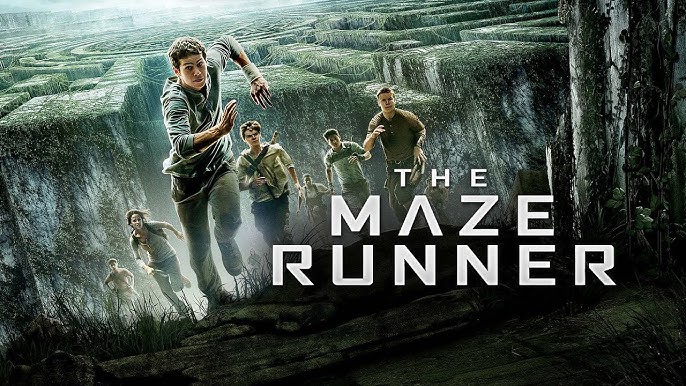
Creators provide spoiler-free reviews, breakdowns, and explanations that shape audience perception of a film.
3. User-Generated Rating Sites
Platforms like:
- IMDb
- Rotten Tomatoes Audience Score
- Google Reviews
- Letterboxd
help measure public sentiment at scale.
4. OTT App Ratings
Streaming apps track:
- Like/dislike feedback
- Rewatch patterns
- Drop-off points (where viewers stop watching)
- User comments
This data is valuable for content performance evaluation.
5. Fan Forums & Reddit Threads
Communities break down films in detail—discussing themes, symbolism, character arcs, and hidden meanings.
6. Surveys & Market Research
Studios often conduct viewer surveys to measure:
- Trailer effectiveness
- Awareness levels
- Content preferences
Key Factors That Influence Audience Feedback
1. Storyline & Screenplay
The narrative is the backbone of the movie, and viewers respond strongly to:
- Plot clarity
- Emotional depth
- Pacing
- Narrative twists
- Character development
2. Acting & Star Power
Performance quality is one of the most discussed aspects in audience reviews. Even a weak story can be saved by strong performances.
3. Music & Background Score
BGM and soundtracks often shape emotional connection, especially in action films, dramas, and romantic stories.
4. Visuals & Technical Excellence
Audiences appreciate:
- Cinematography
- Editing
- VFX
- Art direction
High production value enhances viewer satisfaction.
5. Cultural Connection
Audiences favor stories that reflect:
- Real emotions
- Social issues
- Relatable experiences
- Cultural authenticity
Positive Audience Feedback: What It Usually Highlights
When audiences love a movie, they often praise:
- Engaging storyline
- Memorable characters
- Realistic or impactful dialogues
- Strong performances
- High entertainment value
- Emotional appeal
- Novelty or creativity
Positive buzz spreads fast, turning films into major hits.
Negative Audience Feedback: Common Complaints
Negative feedback usually centers around:
- Predictable plots
- Poor editing
- Weak character development
- Forced humor or romance
- Overuse of CGI
- Unnecessary songs or filler scenes
- Slow pacing
Constructive criticism helps filmmakers refine their craft.
How Filmmakers Use Audience Feedback Strategically
Filmmakers, studios, and OTT platforms use audience insights to:
1. Improve Scripts
Writers analyze viewer sentiment to avoid repetitive or disliked story patterns.
2. Make Casting Decisions
Studios track which stars resonate with specific demographics.
3. Edit Trailers & Promotions
Feedback on teaser and trailer reactions may lead to changes in marketing tone.
4. Define Sequel Direction
If a character becomes unexpectedly popular, sequels may focus more on them.
5. Enhance OTT Algorithms
Streaming platforms use viewer behavior to refine recommendations.
Audience Feedback Trends of 2025
1. Instant Micro-Reviews
Short reactions on TikTok, Reels, and Shorts are replacing long reviews.
2. AI-Generated Sentiment Analysis
Platforms use machine learning to interpret millions of viewer comments.
3. Viewer Participation in Filmmaking
Fans increasingly influence:
- Franchise direction
- Character arcs
- Ending styles
4. Demand for Authentic Representation
Audiences appreciate culturally respectful storytelling and diverse casting.
5. Rise of Community-Driven Discussions
Fan communities shape a movie’s long-term legacy.
Benefits of Strong Audience Feedback for Movies

1. Boosts Box-Office Performance
Positive reviews drive higher weekend collections.
2. Enhances Streaming Popularity
Movies with strong audience feedback trend on OTT platforms.
3. Builds Franchise Potential
Good viewer sentiment can turn a single movie into a multi-film universe.
4. Strengthens Brand Trust
Filmmakers with consistent positive feedback earn long-term viewer loyalty.
How to Evaluate Audience Feedback Effectively
To understand viewer sentiment accurately:
✔ Compare multiple platforms (IMDb, YouTube, Google reviews).
✔ Look for recurring feedback rather than isolated comments.
✔ Consider genre — some genres naturally receive polarized opinions.
✔ Check cultural context, especially for global films.
✔ Avoid extreme reviews.
FAQs on Audience Feedback on Movies
1. Why is audience feedback important for movies?
It influences box-office performance, OTT popularity, and creative decisions in future films.
2. Where do viewers share movie feedback most?
On YouTube, X/Twitter, Instagram Reels, IMDb, and OTT rating systems.
3. Do filmmakers actually use audience feedback?
Yes, studios analyze viewer reactions to improve scripts, casting, marketing, and sequels.
4. How quickly does audience feedback appear online?
Often within minutes of a film’s first show, especially on social media.
5. Can negative audience feedback harm a film?
Yes, poor word-of-mouth can reduce footfall, streaming interest, and long-term revenue.
Conclusion:
Audience feedback on movies has become a core part of modern cinema. It shapes the viewer experience, influences box-office results, guides streaming algorithms, and informs filmmakers about what works and what doesn’t. As technology grows and social platforms amplify audience voices, viewer feedback will continue shaping film culture in powerful ways. In 2025 and beyond, audience opinions remain one of the strongest forces guiding the evolution of cinema.